
News Center
Updates on industry trends, sourcing practices, and supply coordination.
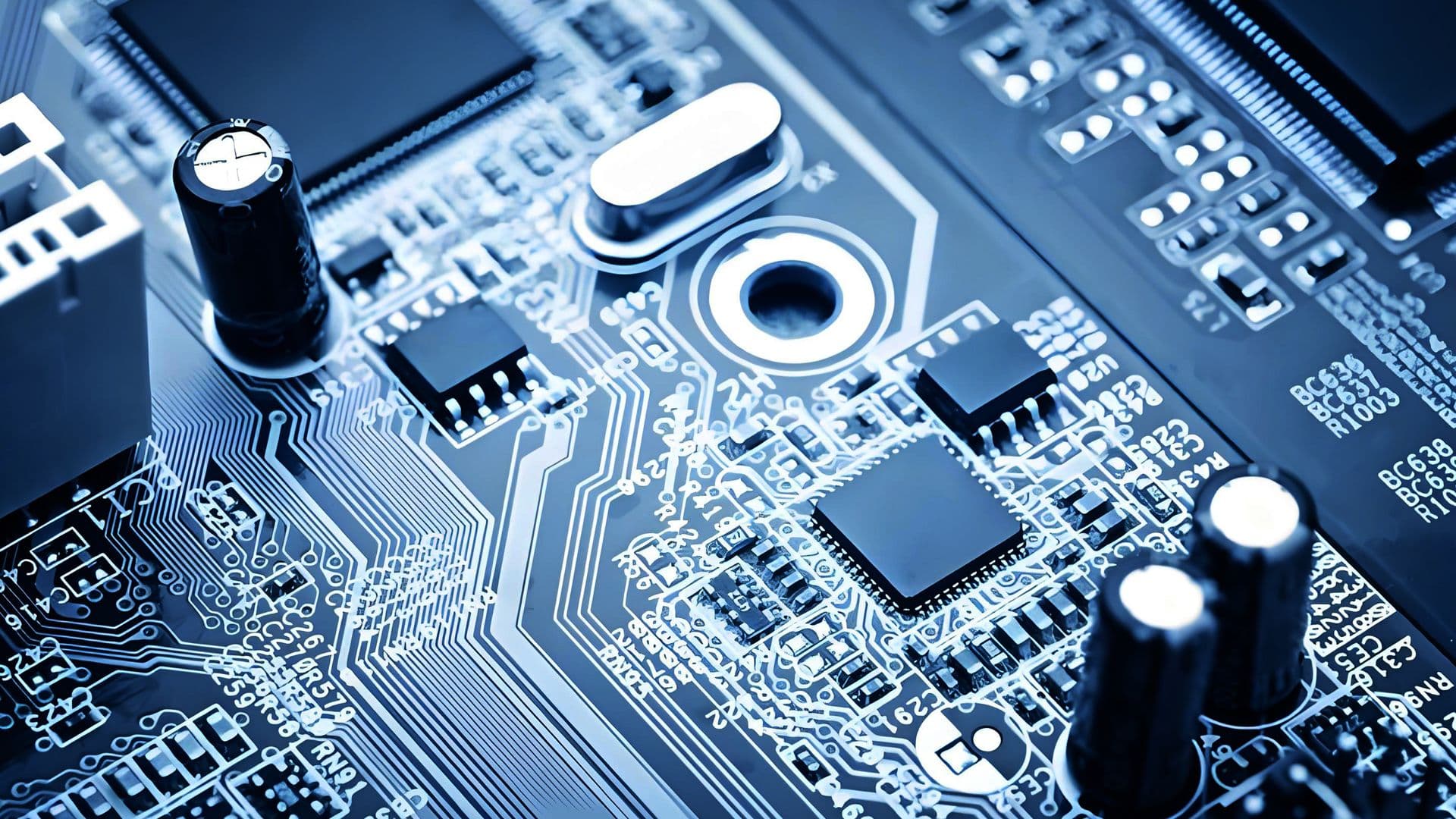
MLCC Prices Surge 10-20% in Q3 2026: Murata, Samsu...
A broad-based MLCC price correction is underway in Q3 2026. Murata, Samsung Electro-Mechanics, and Yageo have raised prices 10-20% on high-capacitance and automotive-grade capacitors. Nickel costs are up 25% YoY, AI servers consume 3-5K MLCCs per board, and car MLCC content has tripled with electrification. Lead times stretch to 20 weeks and spot premiums hit 25%.
Analog IC Prices Under Pressure: ADI Hikes 10-15% ...
ADI has announced 10-15% price increases on precision converters, amplifiers, and power ICs effective August 2026, following TI's 8-12% hikes earlier this year. 200mm wafer costs are up 8-12% YoY, analog lead times stretch to 26 weeks, and mature-node capacity simply cannot keep up with industrial, automotive, and defense demand. This is the broadest analog price correction since 2022.
Electronic Component Market Update: Q3 2026 Supply...
From AI chip shortages to passive component stabilization, here is what procurement teams should expect for the third quarter of 2026.